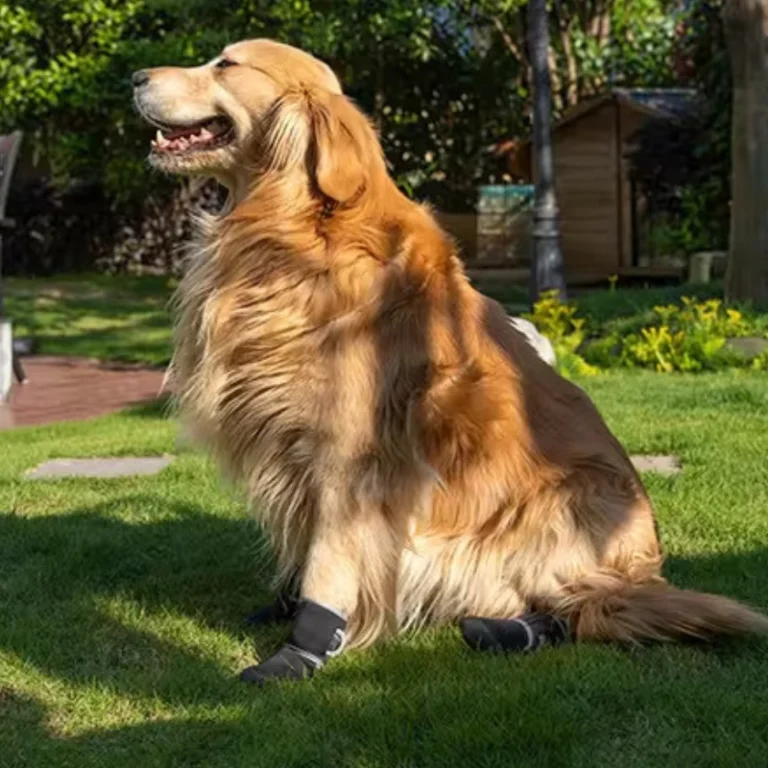
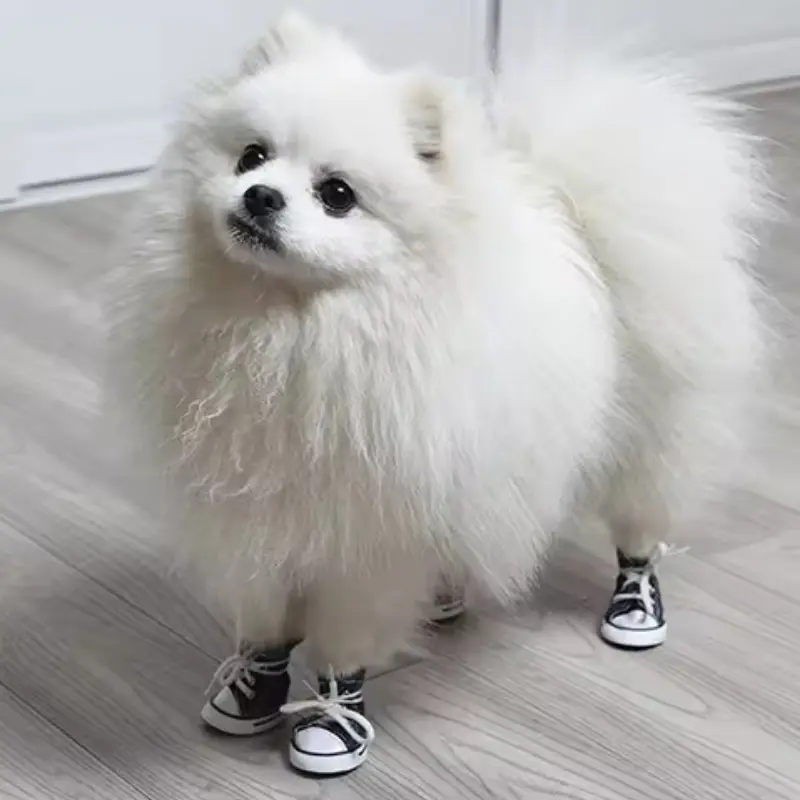
Watching an older dog struggle to stand up on a shiny floor is hard. Smooth floors like hardwood, laminate and tiles give paws very little grip, and as dogs age they lose some strength and balance. The good news: a few simple changes help a lot.
Why dogs slip indoors
- Smooth pads. Paw pads get smoother and drier with age.
- Long fur between the toes covers the pads and acts like a sock on ice.
- Long nails touch the floor first and push the pad up.
- Less muscle and stiffer joints make it harder to correct a slip.
Easy fixes at home
- Trim the fur between the pads
- Keep nails short
- Lay runners or yoga mats on main routes
- Add a rug where your dog stands up and eats
- Block slippery stairs
- Keep paws dry after walks
How non-slip shoes and socks help
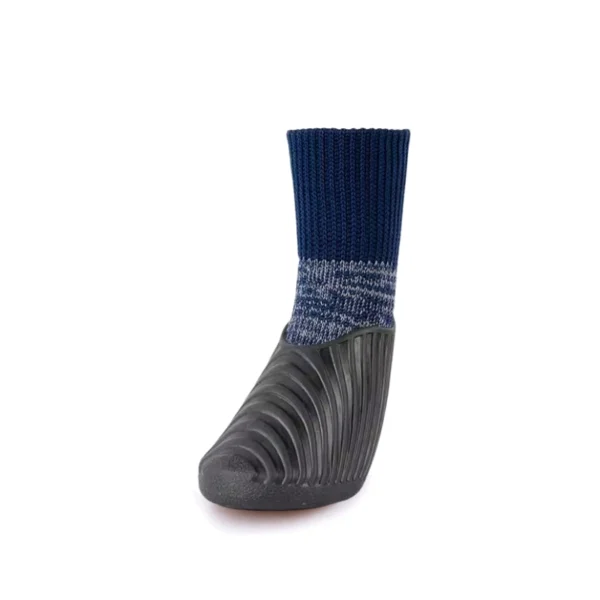
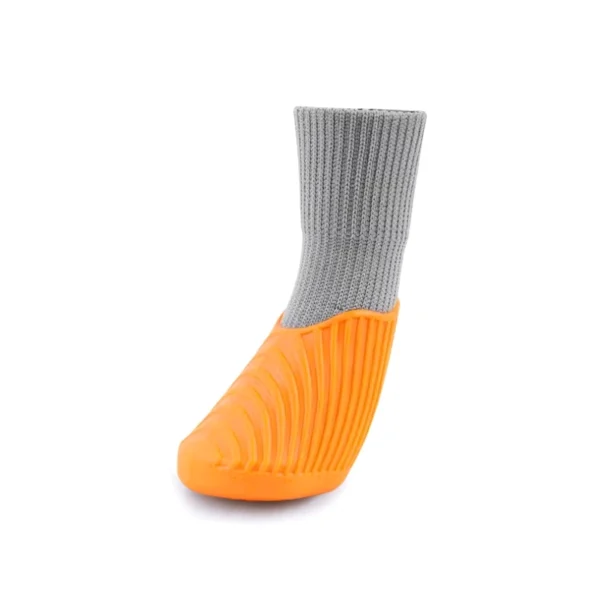
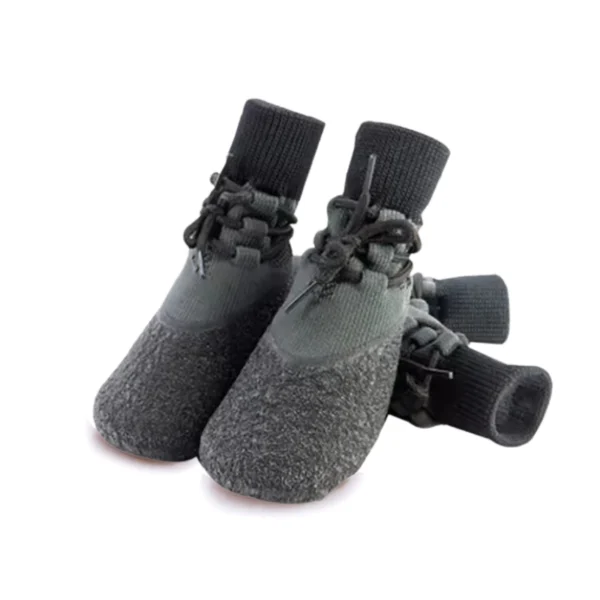
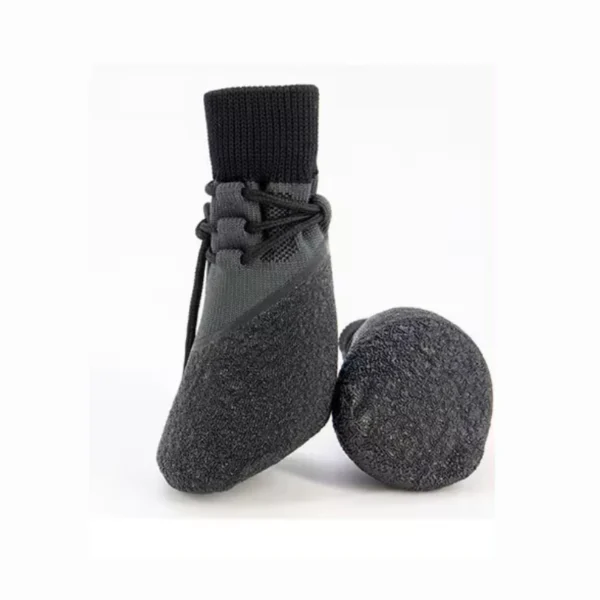
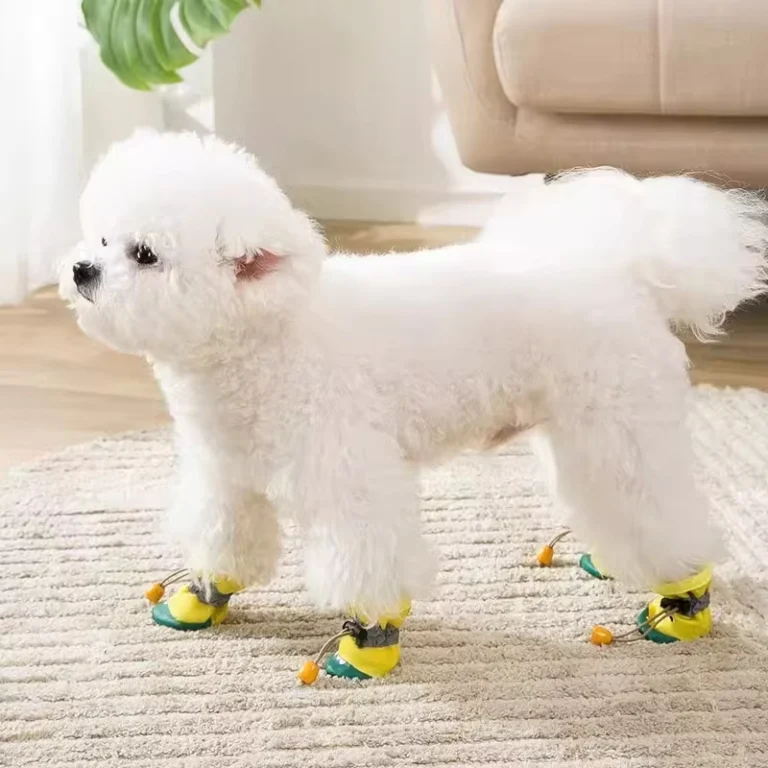
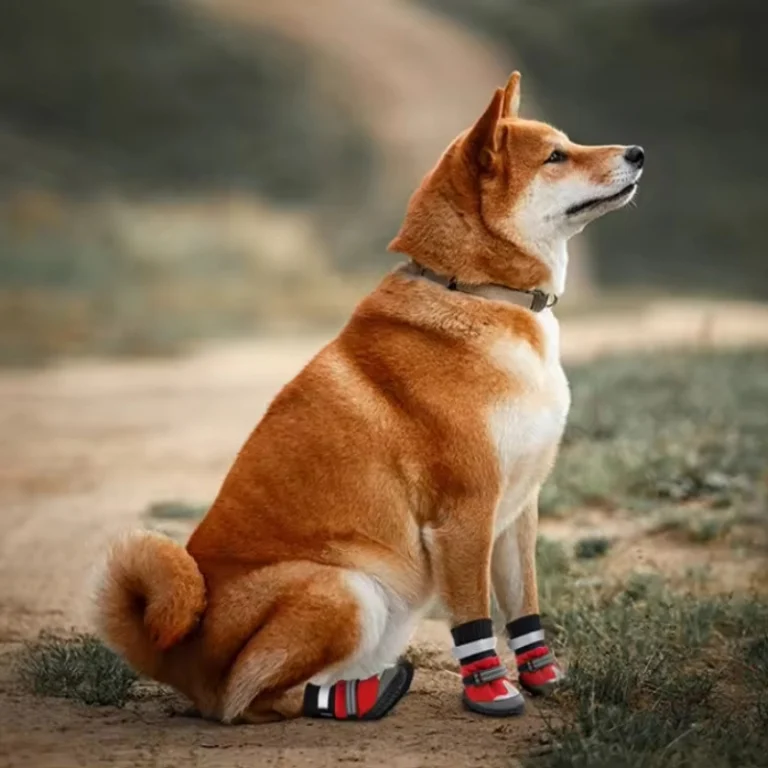
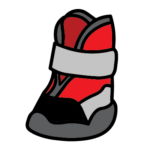
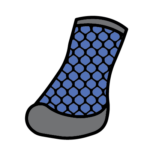
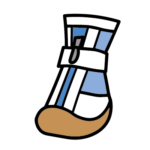
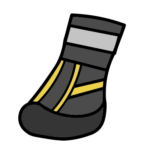
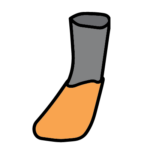
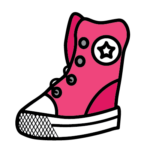
A soft, rubberised sole gives your dog grip on any floor and the confidence to stand up and walk. Indoors, a light sock shoe with a grippy sole is usually the most comfortable choice. Outdoors on wet or icy ground, a shoe with a proper non-slip sole works better.
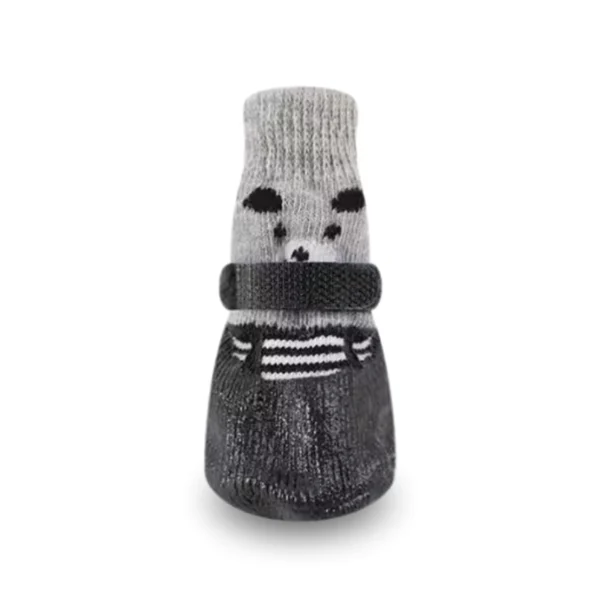
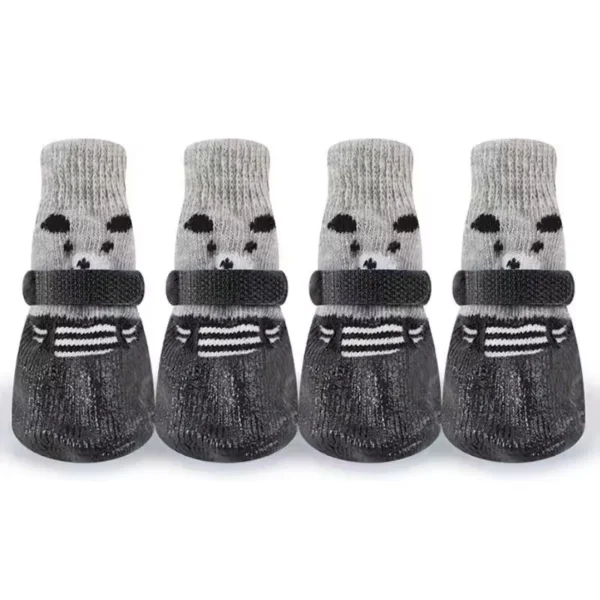
Try the SockTech for indoors, or the soft Panda shoe socks for a lighter feel.
Getting an older dog used to socks
Older dogs are often calmer and accept socks quickly. Start with a few minutes, use treats, and check the skin under the cuff for redness. Take them off at night so the paws can breathe.
Can my dog wear socks all day?
Take breaks. A few hours at a time is fine for most dogs, but paws need time without them to stay healthy and dry.
Which size for sock shoes?
Measure the paw standing. Sock shoes are stretchy, so pick the closer size if you are between two.