








On a sunny day the air may feel pleasant while the ground is burning. Dark asphalt soaks up heat all day: when the air is around 25 °C (77 °F), asphalt in direct sun can reach about 50 °C (125 °F). That is hot enough to hurt paw pads in minutes.
The 7-second rule
Press the back of your hand flat on the pavement. If you cannot keep it there for seven seconds, it is too hot for your dog’s paws. Check the spot where your dog will actually walk, in the sun, not the shaded corner by your door.
The hottest surfaces
- Black asphalt and parking lots
- Metal surfaces: manhole covers, bridges, truck beds
- Artificial turf
- Dry sand on the beach
- Paving stones and dark tiles
- Boat decks and wooden boardwalks in full sun
Signs of burned paws
Watch for limping, refusing to walk, licking or chewing the paws, darker or red pads, blisters or pads that look shiny or peeling. If you see blisters or open skin, cool the paw with cool (not ice-cold) water and call your vet.
How to keep summer walks safe
- Walk early or late. Before 9 am and after sunset the ground has cooled down.
- Choose grass and shade. Plan routes through parks instead of streets.
- Keep walks shorter on the hottest days and bring water.
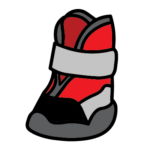
- Use breathable dog shoes. A rubber sole puts a barrier between the pad and the ground, and mesh uppers let heat out.
What makes a good summer dog shoe
Look for a breathable mesh upper, a non-slip sole that is thick enough to block heat but flexible enough to feel natural, and a light weight. Reflective straps help on evening walks, when it is finally cool enough to go out. The CityGo and MaxAir V4 are made exactly for this.
Can dogs walk on hot sand?
Dry sand in the midday sun can burn paws just like asphalt. Walk on the wet sand near the water or use shoes.
Is it just about paws?
No. Dogs overheat quickly. On very hot days keep walks short, offer water often and avoid exercise in the midday heat.